
Fables and Fairy Tales
Fairy Tale is a story for children involving magical
creatures. These are stories having animal characters that talk
like humans.
We have got some popular fables for the kids.
1. Sleeping
Beauty
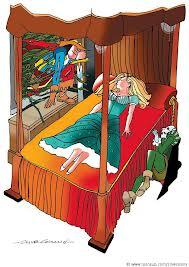
A long time ago there were a king and queen who were
unhappy because they had no children. But one day when the queen
was bathing, a frog crept out of the water on to the land, and said
to her, "Your wish shall be fulfilled, before a year has gone by,
you shall have a daughter."
Then one day, the queen gave birth to a lovely baby
girl who was so pretty that the king could not contain
himself for joy, and ordered a great feast. He invited not only his
kindred, friends and acquaintances, but also the wise women, in
order that they might be kind and well disposed towards the child.
There were thirteen of them in his kingdom, but, as he had only
twelve golden plates for them to eat out of, one of them had to be
left at home.
The feast was held with all manner of splendor and when it
came to an end the wise women bestowed their magic gifts upon the
baby - one gave virtue, another beauty, a third riches, and so on
with everything in the world that one can wish for.
When eleven of them had made their promises, suddenly the
thirteenth came in. She wished to avenge herself for not having
been invited, and without greeting, or even looking at anyone, she
cried with a loud voice, "The king's daughter shall in her
fifteenth year prick herself with a spindle, and fall down dead."
And, without saying a word more, she turned round and left the
room.
The king and queen were shocked and begged her to
take the words back but the fairy refused to do so.
But the twelfth, whose good wish still remained unspoken, came
forward, and as she could not undo the evil sentence, but only
soften it, she said, it shall not be death, but a deep sleep of a
hundred years, into which the princess shall fall.
The king, who would fain keep his dear child from the
misfortune, gave orders that every spindle in the whole kingdom
should be burnt. Meanwhile the gifts of the wise women were
plenteously fulfilled on the young girl, for she was so beautiful,
modest, good-natured, and wise, that everyone who saw her was bound
to love her.
It happened that on the very day when she was fifteen years
old, the king and queen were not at home, and the maiden was left
in the palace quite alone. So she went round into all sorts of
places, looked into rooms and bed-chambers just as she liked, and
at last came to an old tower. She climbed up the narrow winding
staircase, and reached a little door. A rusty key was in the lock,
and when she turned it the door sprang open, and there in a little
room sat an old woman with a spindle, busily spinning her
flax.
"Good day, old mother," said the king's daughter, "what are
you doing there?"
"I am spinning," said the old woman, and nodded her
head.
"What sort of thing is that, that rattles round so
merrily," said the girl, and she took the spindle and wanted to
spin too. But scarcely had she touched the spindle when the magic
decree was fulfilled, and she pricked her finger with
it.
And, in the very moment when she felt the prick, she fell
down upon the bed that stood there, and lay in a deep sleep. And
this sleep extended over the whole palace, the king and queen who
had just come home, and had entered the great hall, began to go to
sleep, and the whole of the court with them. The horses, too, went
to sleep in the stable, the dogs in the yard, the pigeons upon the
roof, the flies on the wall, even the fire that was flaming on the
hearth became quiet and slept, the roast meat left off frizzling,
and the cook, who was just going to pull the hair of the scullery
boy, because he had forgotten something, let him go, and went to
sleep. And the wind fell, and on the trees before the castle not a
leaf moved again.
But round about the castle there began to grow a hedge of
thorns, which every year became higher, and at last grew close up
round the castle and all over it, so that there was nothing of it
to be seen, not even the flag upon the roof. But the story of the
beautiful sleeping Briar Rose, for so the princess was named, went
about the country, so that from time to time kings' sons came and
tried to get through the thorny hedge into the castle. But they
found it impossible, for the thorns held fast together, as if they
had hands, and the youths were caught in them, could not get loose
again, and died a miserable death.
After long, long years a king's son came again to that
country, and heard an old man talking about the thorn hedge, and
that a castle was said to stand behind it in which a wonderfully
beautiful princess, named Briar Rose, had been asleep for a hundred
years, and that the king and queen and the whole court were asleep
likewise. He had heard, too, from his grandfather, that many kings,
sons had already come, and had tried to get through the thorny
hedge, but they had remained sticking fast in it, and had died a
pitiful death.
Then the youth said, "I am not afraid, I will go and see
the beautiful Briar Rose." The good old man might dissuade him as
he would, he did not listen to his words.
But by this time the hundred years had just passed, and the
day had come when Briar Rose was to awake again. When the king's
son came near to the thorn hedge, it was nothing but large and
beautiful flowers, which parted from each other of their own
accord, and let him pass unhurt, then they closed again behind him
like a hedge. In the castle yard he saw the horses and the spotted
hounds lying asleep, on the roof sat the pigeons with their heads
under their wings. And when he entered the house, the flies were
asleep upon the wall, the cook in the kitchen was still holding out
his hand to seize the boy, and the maid was sitting by the black
hen which she was going to pluck.
He went on farther, and in the great hall he saw the whole
of the court lying asleep, and up by the throne lay the king and
queen. Then he went on still farther, and all was so quiet that a
breath could be heard, and at last he came to the tower, and opened
the door into the little room where Briar Rose was
sleeping.
There she lay, so beautiful that he could not turn his eyes
away, and he stooped down and gave her a kiss. But as soon as he
kissed her, Briar Rose opened her eyes and awoke, and looked at him
quite sweetly.
Then they went down together, and the king awoke, and the
queen, and the whole court, and looked at each other in great
astonishment. And the horses in the courtyard stood up and shook
themselves, the hounds jumped up and wagged their tails, the
pigeons upon the roof pulled out their heads from under their
wings, looked round, and flew into the open country, the flies on
the wall crept again, the fire in the kitchen burned up and
flickered and cooked the meat, the joint began to turn and sizzle
again, and the cook gave the boy such a box on the ear that he
screamed, and the maid finished plucking the fowl.
And then the marriage of the king's son with Briar Rose was
celebrated with all splendor, and they lived contented to the end
of their days.
2.
Cinderella

Once upon a time, there lived an unhappy young girl. She
was unhappy because her mother was dead, her father had married
another woman, a widow with two daughters, and her stepmother
didn't like her. All the nice things, kind thoughts and loving
touches were for her own daughters. And not just the kind thoughts
and love, but also dresses, shoes, shawls, delicious food, comfy
beds, as well as every home comfort. All this was laid on for her
daughters. But, for the poor unhappy girl, there was nothing at
all. She had to work hard all day, and only when evening came she
was allowed to sit for a while by the fire, near the cinders. That
is how she got her nickname, for everybody called her Cinderella.
Cinderella used to spend long hours all alone talking to the cat.
The cat said,
"Miaow", which really meant, "Cheer up! You have something
neither of your stepsisters have and that is
beauty."
One day, they were invited for a grand ball in the king’s palace. But Cinderella’s stepmother would not let her go. Cinderella was made to sew new party gowns for her stepmother and stepsisters, and curl their hair. They then went to the ball, leaving Cinderella alone at home.Cinderella felt very sad and sighed at the cat.
"Oh dear, I'm so unhappy!" and the cat murmured
"Miaow".
Suddenly something amazing happened. In the kitchen, where
Cinderella was sitting all by herself, there was a burst of light
and a fairy appeared.
"Don't be alarmed, Cinderella," said the fairy. "The wind
blew me your sighs. I know you would love to go to the ball. And so
you shall!"
"How can I, dressed in rags?" Cinderella replied. "The
servants will turn me away!" The fairy smiled. With a flick of her
magic wand... Cinderella found herself wearing the most beautiful
dress, the loveliest ever seen in the realm.
"Now that we have settled the matter of the dress," said
the fairy, "we'll need to get you a coach. A real lady would never
go to a ball on foot!"
"Quick! Get me a pumpkin!" she ordered.
"Oh of course," said Cinderella, rushing away. Then the
fairy turned to the cat.
"You, bring me seven mice!"
"Seven mice!" said the cat. "I didn't know fairies ate mice
too!"
"They're not for eating, silly! Do as you are told!... and,
remember they must be alive!"
Cinderella soon returned with a fine pumpkin and the cat
with seven mice he had caught in the cellar.
"Good!" exclaimed the fairy. With a flick of her magic
wand... wonder of wonders! The pumpkin turned into a sparkling
coach and the mice became six white horses, while the seventh mouse
turned into a coachman, in a smart uniform and carrying a whip.
Cinderella could hardly believe her eyes.
"I shall present you at Court. You will soon see that the
Prince, in whose honor the ball is being held, will be enchanted by
your loveliness. But remember! You must leave the ball at midnight
and come home. For that is when the spell ends. Your coach will
turn back into a pumpkin, the horses will become mice again and the
coachman will turn back into a mouse... and you will be dressed
again in rags and wearing clogs instead of these dainty little
slippers! Do you understand?" Cinderella smiled and
said,
"Yes, I understand!"
When Cinderella entered the ballroom at the palace, a hush
fell. Everyone stopped in mid-sentence to admire her elegance, her
beauty and grace.
"Who can that be?" people asked each other. The two
stepsisters also wondered who the newcomer was, for never in a
month of Sundays, would they ever have guessed that the beautiful
girl was really poor Cinderella who talked to the
cat!
When the prince set eyes on Cinderella, he was struck by
her beauty. Walking over to her, he bowed deeply and asked her to
dance. And to the great disappointment of all the young ladies, he
danced with Cinderella all evening.
"Who are you, fair maiden?" the Prince kept asking her. But
Cinderella only replied:
"What does it matter who I am! You will never see me again
anyway."
"Oh, but I shall, I'm quite certain!" he
replied.
Cinderella had a wonderful time at the ball... But, all of
a sudden, she heard the sound of a clock: the first stroke of
midnight! She remembered what the fairy had said, and without a
word of goodbye she slipped from the Prince's arms and ran down the
steps. As she ran she lost one of her slippers, but not for a
moment did she dream of stopping to pick it up! If the last stroke
of midnight were to sound... oh... what a disaster that would be!
Out she fled and vanished into the night.
The Prince, who was now madly in love with her, picked up
her slipper and said to his ministers,
"Go and search everywhere for the girl whose foot this
slipper fits. I will never be content until I find her!" So the
ministers tried the slipper on the foot of all the girls... and on
Cinderella's foot as well... Surprise! The slipper fitted
perfectly.
"That awful untidy girl simply cannot have been at the
ball," snapped the stepmother. "Tell the Prince he ought to marry
one of my two daughters! Can't you see how ugly Cinderella is!
Can't you see?"
Suddenly she broke off, for the fairy had
appeared.
"That's enough!" she exclaimed, raising her magic wand. In
a flash, Cinderella appeared in a splendid dress, shining with
youth and beauty. Her stepmother and stepsisters gaped at her in
amazement, and the ministers said,
"Come with us, fair maiden! The Prince awaits to present
you with his engagement ring!" So Cinderella joyfully went with
them, and lived happily ever after with her Prince. And as for the
cat, he just said "Miaow"!
3. Beauty and The Beast
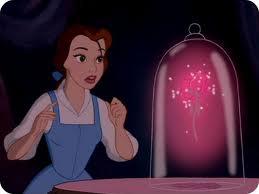
Once upon a time there lived a wealthy merchant
and his three daughters. One day, the merchant set off
for market, he asked each of his three daughters what she would
like as a present on his return. The first daughter wanted a
brocade dress, the second a pearl necklace, but the third, whose
name was Beauty, the youngest, prettiest and sweetest of them all,
said to her father:
"All I'd like is a rose you've picked specially for
me!"
When the merchant had finished his business, he set off for
home. The merchant, on his way back, had to cross
through the deep forest. It was dark and the merchant tried to find
a place to sleep. He suddenly found a huge castle and went inside
to find nobody. There was a huge table with delicious food and he
ate it all. Then the merchant went into the bedroom and slept on a
soft and fluffy bed.
The next day, too, the merchant did not find anyone in the castle. He saw a beautiful rose bush growing in the garden. Remembering his promise to Beauty, he bent down to pick a rose. Instantly, out of the rose garden, sprang a horrible beast, wearing splendid clothes. Two bloodshot eyes, gleaming angrily, glared at him and a deep, terrifying voice growled: "Ungrateful man! I gave you shelter, you ate at my table and slept in my own bed, but now all the thanks I get is the theft of my favorite flowers! I shall put you to death for this slight!" Trembling with fear, the merchant fell on his knees before the Beast.
"Forgive me! Forgive me! Don't kill me! I'll do anything
you say! The rose wasn't for me, it was for my daughter Beauty. I
promised to bring her back a rose from my journey!" The Beast
dropped the paw it had clamped on the unhappy
merchant.
"I shall spare your life, but on one condition, that you
bring me your daughter!" The terror-stricken merchant, faced with
certain death if he did not obey, promised that he would do so.
When he reached home in tears, his three daughters ran to greet
him. After he had told them of his dreadful adventure, Beauty put
his mind at rest immediately.
"Dear father, I'd do anything for you! Don't worry, you'll
be able to keep your promise and save your life! Take me to the
castle. I'll stay there in your place!" The merchant hugged his
daughter.
"I never did doubt your love for me. For the moment I can
only thank you for saving my life." So Beauty was led to the
castle. The Beast, however, had quite an unexpected greeting for
the girl. Instead of menacing doom as it had done with her father,
it was surprisingly pleasant.
In the beginning, Beauty was frightened of the Beast, and
shuddered at the sight of it. Then she found that, in spite of the
monster's awful head, her horror of it was gradually fading as time
went by. She had one of the finest rooms in the Castle, and sat for
hours, embroidering in front of the fire. And the Beast would sit,
for hours on end, only a short distance away, silently gazing at
her. Then it started to say a few kind words, till in the end,
Beauty was amazed to discover that she was actually enjoying its
conversation. The days passed, and Beauty and the Beast became good
friends. Then one day, the Beast asked the girl to be his
wife.
Taken by surprise, Beauty did not know what to say. Marry
such an ugly monster? She would rather die! But she did not want to
hurt the feelings of one who, after all, had been kind to her. And
she remembered too that she owed it her own life as well as her
father's.
"I really can't say yes," she began shakily. "I'd so much
like to..." The Beast interrupted her with an abrupt
gesture.
"I quite understand! And I'm not offended by your refusal!"
Life went on as usual, and nothing further was said. One day, the
Beast presented Beauty with a magnificent magic mirror. When Beauty
peeped into it, she could see her family, far away.
"You won't feel so lonely now," were the words that
accompanied the gift. Beauty stared for hours at her distant
family. Then she began to feel worried. One day, the Beast found
her weeping beside the magic mirror.
"What's wrong?" he asked, kindly as always.
"My father is gravely ill and close to dying! Oh, how I
wish I could see him again, before it's too late!" But the Beast
only shook its head.
"No! You will never leave this castle!" And off it stalked
in a rage. However, a little later, it returned and spoke solemnly
to the girl.
"If you swear that you will return here in seven days time,
I'll let you go and visit your father!" Beauty threw herself at the
Beast's feet in delight.
"I swear! I swear I will! How kind you are! You've made a
loving daughter so happy!" In reality, the merchant had fallen ill
from a broken heart at knowing his daughter was being kept
prisoner. When he embraced her again, he was soon on the road to
recovery. Beauty stayed beside him for hours on end, describing her
life at the Castle, and explaining that the Beast was
really
good and kind. The days flashed past, and at last the
merchant was able to leave his bed. He was completely well again.
Beauty was happy at last. However, she had failed to notice that
seven days had gone by.
Then one night she woke from a terrible nightmare. She had
dreamt that the Beast was dying and calling for her, twisting in
agony.
"Come back! Come back to me!" it was pleading. The solemn
promise she had made drove her to leave home
immediately.
"Hurry! Hurry, good horse!" she said, whipping her steed
onwards towards the castle, afraid that she might arrive too late.
She rushed up the stairs, calling, but there was no reply. Her
heart in her mouth, Beauty ran into the garden and there crouched
the Beast, its eyes shut, as though dead. Beauty threw herself at
it and hugged it tightly.
"Don't die! Don't die! I'll marry you . . ." At these
words, a miracle took place. The Beast's ugly snout turned
magically into the face of a handsome young man.
"How I've been longing for this moment!" he said. "I was
suffering in silence, and couldn't tell my frightful secret. An
evil witch turned me into a monster and only the love of a maiden
willing to accept me as I was, could transform me back into my real
self. My dearest! I'll be so happy if you'll marry
me."
The wedding took place shortly after and, from that day on,
the young Prince would have nothing but roses in his gardens. And
that's why, to this day, the castle is known as the Castle of the
Rose.
4. The Magic
Swan
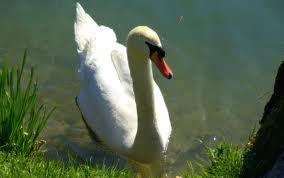
There were once upon a time three brothers; the eldest
was called Jacob, the second Frederick, and the youngest Peter.
This youngest brother was treated shamefully by the other two. If
anything went wrong Peter had to bear the blame and put things
right for them. He had to endure all this ill treatment because he
was weak and delicate and could not defend himself against his
stronger brothers. One day, when he was in the woods gathering
sticks, a little old woman came up to him and he told her all his
troubles.
'Come, my good youth,' said the old dame, when he had
finished his tale of woe, 'isn't the world wide enough? Set out and
try your fortune elsewhere:
Peter took her words to heart and left his father's house
early one morning to try his fortune in the wide world, as
the old woman had advised him. But he felt very
bitterly parting from the home where he had been born, and where at
least he had passed a happy childhood. Sitting down on a hill he
gazed once more fondly on his native place.
Suddenly the little old woman stood before him and tapping
him on the shoulder, said, 'So far so good, my boy. What do you
mean to do now?'
Peter was at a loss what to answer, for he had always
thought fortune would drop into his mouth like a ripe cherry. The
old woman, who guessed his thoughts, laughed kindly, and
said:
'I'll tell you what you must do, for I have taken a fancy
to you. I am sure you won't forget me when you have made your
fortune.'
Peter promised faithfully he would not, and the old woman
continued, 'This evening, at sunset, go to yonder pear tree growing
at the crossroads. Under it you will find a man lying asleep, and a
beautiful large swan will be fastened to the tree close to him. Be
careful not to waken the man, but unfasten the swan and take it
away with you. Everyone will fall in love with its beautiful
plumage, and you must allow anyone who likes to pull out a feather.
But as soon as the swan feels as much as a finger on it, it will
scream. Then you must say, "Swan, hold fast." The hand of the
person who has touched the bird will be held and nothing will set
it free, unless you touch it with this little stick, of which I
make you a present. When you have captured a whole lot of people in
this way, lead your train straight on with you. You will come to a
big town where a princess lives who has never been known to laugh.
If you can only make her laugh your fortune is made. Then I beg you
will not forget your old friend.'
Peter promised again that he would not, and at sunset he
went to the tree the old woman had mentioned. The man lay there
fast asleep, and a large beautiful swan was fastened to the tree
beside him by a red cord. Peter loosed the bird and led it away
with him without disturbing its sleeping master.
He walked on with the swan for some time and came, at last,
to a yard where some men were busily at work. They were all lost in
admiration of the bird's beautiful plumage. One forward youth, who
was covered with clay from head to foot, called out:
'Oh, if I'd only one of those feathers how happy I should
be!'
'Pull one out then,' said Peter kindly. The youth seized
one from the bird's tail. Instantly the swan screamed, and Peter
called out, 'Swan, hold fast.' And do what he would the poor youth
could not get his hand away. The more he howled the more the others
laughed, till a girl who had been washing clothes in the
neighboring stream hurried up. When she saw the poor boy fastened
to the swan she felt so sorry for him that she stretched out her
hand to free him. The bird screamed.
'Swan, hold fast,' called out Peter, and the girl was
caught also.
When Peter had gone on for a bit with his captives, they
met a chimney sweep, who laughed loudly over the extraordinary
troop, and asked the girl what she was doing.
'Oh, dearest John,' replied the girl, 'give me your hand
and set me free from this young man:
'Most certainly, I will,' replied the sweep, and gave the
girl his hand. The bird screamed.
'Swan, hold fast,' said Peter, and the black man was added
to their number.
They soon came to a village where a fair was being held. A
traveling circus was giving a performance and the clown was just
doing his tricks. He opened his eyes wide with amazement when he
saw the remarkable trio fastened to the swan's tail.
'Have you gone raving mad, Blackie?' he asked as well as he
could for laughing.
'It is no laughing matter,' the sweep replied. 'This wench
has so tight hold of me I feel as if I were glued to her. Do set me
free, like a good clown, and I shall do you a good turn some
day.'
Without a moment's hesitation the clown grasped the
outstretched hand. The bird screamed.
'Swan, hold fast,' called out Peter, and the clown became
the fourth of the party.
Now in the front row of the spectators sat the respected
and popular mayor of the village. He was much put out by what he
considered nothing but a foolish trick. So much annoyed was he that
he seized the clown by the hand and tried to tear him away, to hand
him over to the police.
Then the bird screamed, and Peter called out, 'Swan, hold
fast,' and the dignified mayor was caught fast as the others
were.
The mayoress, a long thin stick of a woman, enraged at the
insult done her husband, seized his free arm and tore at it with
all her might. The only result was that she too was forced to join
the procession. After this no one else had any wish to aid
them.
Soon Peter saw the towers of the capital in front of him.
Just before entering the city, a glittering carriage came out to
meet him. In it was a young lady as beautiful as the day, but with
a very solemn and serious expression. No sooner had she perceived
the motley crowd fastened to the swan's tail than she burst into
loud laughter, in which she was joined by all her servants and
ladies-in-waiting.
'The princess has laughed at last!" they all cried with
joy.
She stepped out of her carriage to look more closely at the
wonderful sight and laughed again over the capers of the poor
captives. She ordered her carriage to be turned round and drove
slowly back into town, never taking her eyes off Peter and his
procession.
When the king heard the news that his daughter had actually
laughed, he was more than delighted and had Peter and his marvelous
train brought before him. When he saw them he laughed till the
tears rolled down his cheeks.
'My good friend,' he said to Peter, 'do you know what I
promised the person who succeeded in making the princess
laugh?'
'No, I don't,' said Peter.
'Then I will tell you,' answered the king. 'A thousand gold
crowns or a piece of land. Which will you choose?'
Peter decided in favor of the land. Then he touched the
youth, the girl, the sweep, the clown, the mayor and the mayoress
with his little stick, and they were all free again and ran away
home as if a fire were burning behind them. Their flight gave rise
to renewed merriment.
Then the princess felt moved to stroke the swan, at the
same time admiring its plumage. The bird screamed.
'Swan, hold fast,' called out Peter, and so he won the
princess for his bride. But the swan flew up into the air and
vanished into the blue horizon. Peter now received a duchy as a
present and became a very great man indeed. He did not forget the
little old woman who had been the cause of all his good fortune and
appointed her as head housekeeper to him and his royal bride in
their magnificent castle.
5.
Lazy Boy
John
Once upon a time there was a lazy boy whose name was
John, and he lived with his mother on a common. They were very
poor, and the old woman got her living by spinning, but John was so
lazy that he would do nothing but bask in the sun in the hot
weather, and sit by the corner of the hearth in the winter-time. So
they called him Lazy John. His mother could not get him to do
anything for her. At last, on manday, she told him that he must go
out every day to look for work. “If you do not work for your food,”
she said, “you will have to leave home and live as best you
can.”
This roused John, and he went out and hired himself for the
next day to a neighbouring farmer for a penny; but as he was coming
home, never having had any money before, he lost it in passing over
a bridge. "You stupid boy," said his mother, "you should have put
it in your pocket." "I’ll do so another time," replied
John.
On Wednesday, John went out again and hired himself to a
cow-keeper, who gave him a jar of milk for his day’s work. John
took the jar and put it into the large pocket of his
jacket. But as he walked, most of the milk fell over the side
of the container and was lost long before he got home.
"Dear me!" said the old woman; "you should have carried
it on your head." "I’ll do so another time," said
John.
So on Thursday, John hired himself again to a farmer, who
agreed to give him a cream cheese for his services. In the evening
John took the cheese, and went home with it on his head. By the
time he got home the cheese was all spoilt, part of it being lost,
and part matted with his hair. "You stupid lout," said his mother,
"you should have carried it very carefully in your hands." "I’ll do
so another time," replied John.
On Friday, Lazy John again went out, and hired himself to a
baker, who would give him nothing for his work but a large tom-cat.
John took the cat, and began carrying it very carefully in his
hands, but in a short time pussy scratched him so much that he was
compelled to let it go. When he got home, his mother said to him,
"You silly fellow, you should have tied it with a string, and
dragged it along after you." "I’ll do so another time," said
John.
So on Saturday, John hired himself to a butcher, who
rewarded him by the handsome present of a shoulder of mutton. John
took the mutton, tied it to a string, and trailed it along after
him in the dirt, so that by the time he had got home the meat was
completely spoilt. His mother was this time quite out of patience
with him, for the next day was Sunday, and she was obliged to make
do with cabbage for her dinner. "You ninney-hammer," said she to
her son; "you should have carried it on your shoulder." "I’ll do so
another time," replied John.
On the next Monday, Lazy John went once more, and hired
himself to a cattle-keeper, who gave him a donkey for his trouble.
John found it hard to hoist the donkey on his shoulders, but at
last he did it, and began walking slowly home with his prize. Now
it happened that in the course of his journey there lived a rich
man with his only daughter, a beautiful girl, but deaf and dumb.
Now she had never laughed in her life, and the doctors said she
would never speak till somebody made her laugh. This young lady
happened to be looking out of the window when John was passing with
the donkey on his shoulders, with the legs sticking up in the air,
and the sight was so comical and strange that she burst out into a
great fit of laughter, and immediately recovered her speech and
hearing. Her father was overjoyed, and fulfilled his promise by
marrying her to Lazy John, who was thus made a rich gentleman. They
lived in a large house, and John’s mother lived with them in great
happiness until she died.
7. The Wise
Little Girl

Once upon a time in the immense Russian steppe, lay a
little village where nearly all the inhabitants bred horses. It was
the month of October, when a big livestock market was held yearly
in the main town. Two brothers, one rich and the other one poor,
set off for market. The rich man rode a stallion, and the poor
brother a young mare.
At dusk, they stopped beside an empty hut and tethered
their horses outside, before going to sleep themselves on two heaps
of straw. Great was their surprise, when, next morning they saw
three horses outside, instead of two. Well, to be exact the
newcomer was not really a horse. It was a foal, to which the mare
had given birth during the night. Soon it had the strength to
struggle to its feet, and after a drink of its mother's milk, the
foal staggered its first few steps. The stallion greeted it with a
cheerful whinny, and when the two brothers set eyes on it for the
first time, the foal was standing beside the
stallion.
"It belongs to me!" exclaimed Dimitri, the rich brother,
the minute he saw it. "It's my stallion's foal." Ivan, the poor
brother, began to laugh.
"Whoever heard of a stallion having a foal? It was born to
my mare!"
"No, that's not true! It was standing close to the
stallion, so it's the stallion's foal. And therefore it's mine!"
The brothers started to quarrel, then they decided to go to town
and bring the matter before the judges. Still arguing, they headed
for the big square where the courtroom stood. But what they didn't
know was that it was a special day, the day when, once a year, the
Emperor himself administered the law. He himself received all who
came seeking justice. The brothers were ushered into his presence,
and they told him all about the dispute.
Of course, the Emperor knew perfectly well who was the
owner of the foal. He was on the point of proclaiming in favor of
the poor brother, when suddenly Ivan developed an unfortunate
twitch in his eye. The Emperor was greatly annoyed by this
familiarity by a humble peasant, and decided to punish Ivan for his
disrespect. After listening to both sides of the story, he declared
it was difficult, indeed impossible, to say exactly who was the
foal's rightful owner. And being in the mood for a spot of fun, and
since he loved posing riddles and solving them as well, to the
amusement of his counselors, he exclaimed.
"I can't judge which of you should have the foal, so it
will be awarded to whichever of you solves the following four
riddles: what is the fastest thing in the world? What is the
fattest? What's the softest and what is the most precious? I
command you to return to the palace in a week's time with your
answers!" Dimitri started to puzzle over the answers as soon as he
left the courtroom. When he reached home, however, he realized he
had nobody to help him.
"Well, I'll just have to seek help, for if I can't solve
these riddles, I'll lose the foal!" Then he remembered a woman, one
of his neighbors, to whom he had once lent a silver ducat. That had
been some time ago, and with the interest, the neighbor now owed
him three ducats. And since she had a reputation for being
quick-witted, but also very astute, he decided to ask her advice,
in exchange for canceling part of her debt. But the woman was not
slow to show how astute she really was, and promptly demanded that
the whole debt be wiped out in exchange for the
answers.
"The fastest thing in the world is my husband's bay horse,"
she said. "Nothing can beat it! The fattest is our pig! Such a huge
beast has never been seen! The softest is the quilt I made for the
bed, using my own goose's feathers. It's the envy of all my
friends. The most precious thing in the world is my three-month old
nephew. There isn't a more handsome child. I wouldn't exchange him
for all the gold on earth, and that makes him the most precious
thing on earth!"
Dimitri was rather doubtful about the woman's answers being
correct. On the other hand, he had to take some kind of solution
back to the Emperor. And he guessed, quite rightly, that if he
didn't, he would be punished.
In the meantime, Ivan, who was a widower, had gone back to
the humble cottage where he lived with his small daughter. Only
seven years old, the little girl was often left alone, and as a
result, was thoughtful and very clever for her age. The poor man
took the little girl into his confidence, for like his brother, he
knew he would never be able to find the answers by himself. The
child sat in silence for a moment, then firmly said.
"Tell the Emperor that the fastest thing in the world is
the cold north wind in winter. The fattest is the soil in our
fields whose crops give life to men and animals alike, the softest
thing is a child's caress and the most precious is
honesty."
The day came when the two brothers were to return before
the Emperor. They were led into his presence. The Emperor was
curious to hear what they had to say, but he roared with laughter
at Dimitri's foolish answers. However, when it was Ivan's turn to
speak, a frown spread over the Emperor's face. The poor brother's
wise replies made him squirm, especially the last one,
about
honesty, the most precious thing of all. The Emperor knew
perfectly well that he had been dishonest in his dealings with the
poor brother, for he had denied him justice. But he could not bear
to admit it in front of his own counselors, so he angrily
demanded:
"Who gave you these answers?" Ivan told the Emperor that it
was his small daughter. Still annoyed, the great man
said.
"You shall be rewarded for having such a wise and clever
daughter. You shall be awarded the foal that your brother claimed,
together with a hundred silver ducats... But... but..." and the
Emperor winked at his counselors.
"You will come before me in seven days' time, bringing your
daughter. And since she's so clever, she must appear before me
neither naked nor dressed, neither on foot nor on horseback,
neither bearing gifts nor empty-handed. And if she does this, you
will have your reward. If not, you'll have your head chopped off
for your impudence!"
The onlookers began to laugh, knowing that the poor man
would never to able to fulfill the Emperor's conditions. Ivan went
home in despair, his eyes brimming with tears. But when he had told
his daughter what had happened, she calmly said.
"Tomorrow, go and catch a hare and a partridge. Both must
be alive! You'll have the foal and the hundred silver ducats! Leave
it to me!" Ivan did as his daughter said. He had no idea what the
two creatures were for, but he trusted in his daughter's
wisdom.
On the day of the audience with the Emperor, the palace was
thronged with bystanders, waiting for Ivan and his small daughter
to arrive. At last, the little girl appeared, draped in a fishing
net, riding the hare and holding the partridge in her hand. She was
neither naked nor dressed, on foot or on horseback. Scowling, the
Emperor told her.
"I said neither bearing gifts nor empty-handed!" At these
words, the little girl held out the partridge. The Emperor
stretched out his hand to grasp it, but the bird fluttered into the
air. The third condition had been fulfilled. In spite of himself,
the Emperor could not help admiring the little girl who had so
cleverly passed such a test, and in a gentler voice, he
said.
"Is your father terribly poor, and does he desperately need
the foal."
"Oh, yes!" replied the little girl. "We live on the hares
he catches in the rivers and the fish he picks from the
trees!"
"Aha!" cried the Emperor triumphantly. "So you're not as
clever as you seem to be! Whoever heard of hares in the river and
fish in the trees! To which the little girl swiftly
replied.
"And whoever heard of a stallion having a foal?" At that,
both Emperor and Court burst into peals of laughter. Ivan was
immediately given his hundred silver ducats and the foal, and the
Emperor proclaimed.
"Only in my kingdom could such a wise little girl be
born!"
8. Gold
Tree and Silver Tree
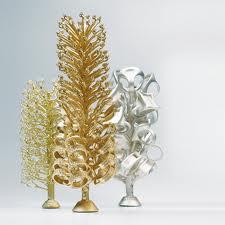
In bygone days there lived a little Princess named
Gold-Tree, and she was one of the prettiest children in the whole
world.
Although her mother was dead, she had a very happy life,
for her father loved her dearly, and thought that nothing was too
much trouble so long as it gave his little daughter pleasure. But
by and by he married again, and then the little Princess's sorrows
began.
For his new wife, whose name, curious to say, was
Silver-Tree, was very beautiful, but she was also very jealous, and
she made herself quite miserable for fear that, some day, she
should meet someone who was better looking than she was
herself.
When she found that her step-daughter was so very pretty,
she took a dislike to her at once, and was always looking at her
and wondering if people would think her prettier than she was. And
because, in her heart of hearts, she was afraid that they would do
so, she was very unkind indeed to the poor girl.
At last, one day, when Princess Gold-Tree was quite grown
up, the two ladies went for a walk to a little well which lay, all
surrounded by trees, in the middle of a deep glen.
Now the water in this well was so clear that everyone who
looked into it saw his face reflected on the surface; and the proud
Queen loved to come and peep into its depths, so that she could see
her own picture mirrored in the water.
But to-day, as she was looking in, what should she see but
a little trout, which was swimming quietly backwards and forwards
not very far from the surface.
"Troutie, troutie, answer me this one question," said the
Queen. "Am not I the most beautiful woman in the
world?"
"No, indeed, you are not," replied the trout promptly,
jumping out of the water, as he spoke, in order to swallow a
fly.
"Who is the most beautiful woman, then?" asked the
disappointed Queen, for she had expected a far different
answer.
"Thy step-daughter, the Princess Gold-Tree, without a
doubt," said the little fish; then, frightened by the black look
that came upon the jealous Queen's face, he dived to the bottom of
the well.
It was no wonder that he did so, for the Queen's expression
was not pleasant to look at, as she darted an angry glance at her
fair young step-daughter, who was busy picking flowers some little
distance away.
Indeed, she was so annoyed at the thought that anyone
should say that the girl was prettier than she was, that she quite
lost her self-control; and when she reached home she went up, in a
violent passion, to her room, and threw herself on the bed,
declaring that she felt very ill indeed.
It was in vain that Princess Gold-Tree asked her what the
matter was, and if she could do anything for her. She would not let
the poor girl touch her, but pushed her away as if she had been
some evil thing. So at last the Princess had to leave her alone,
and go out of the apartment, feeling very sad
indeed.
By and by the King came home from his hunting, and he at
once asked for the Queen. He was told that she had been seized with
sudden illness, and that she was lying on her bed in her own room,
and that no one, not even the Court Physician, who had been hastily
summoned, could make out what was wrong with her.
In great anxiety--for he really loved her--the King went up
to her bedside, and asked the Queen how she felt, and if there was
anything that he could do to relieve her.
"Yes, there is one thing that thou couldst do," she
answered harshly, "but I know full well that, even although it is
the only thing that will cure me, thou wilt not do
it."
"Nay," said the King, "I deserve better words at thy mouth
than these; for thou knowest that I would give thee aught thou
carest to ask, even if it be the half of my
Kingdom."
"Then give me thy daughter's heart to eat," cried the
Queen, "for unless I can obtain that, I will die, and that
speedily."
She spoke so wildly, and looked at him in such a strange
fashion, that the poor King really thought that her brain was
turned, and he was at his wits' end what to do. He left the room,
and paced up and down the corridor in great distress, until at last
he remembered that that very morning the son of a great King had
arrived from a country far over the sea, asking for his daughter's
hand in marriage.
"Here is a way out of the difficulty," he said to himself.
"This marriage pleaseth me well, and I will have it celebrated at
once. Then, when my daughter is safe out of the country, I will
send a lad up the hillside, and he shall kill a he-goat, and I will
have its heart prepared and dressed, and send it up to my wife.
Perhaps the sight of it will cure her of this
madness."
So he had the strange Prince summoned before him, and told
him how the Queen had taken a sudden illness that had wrought on
her brain, and had caused her to take a dislike to the Princess,
and how it seemed as if it would be a good thing if, with the
maiden's consent, the marriage could take place at once, so that
the Queen might be left alone to recover from her strange
malady.
Now the Prince was delighted to gain his bride so easily,
and the Princess was glad to escape from her step-mother's hatred,
so the marriage took place at once, and the newly wedded pair set
off across the sea for the Prince's country.
Then the King sent a lad up the hillside to kill a he-goat;
and when it was killed he gave orders that its heart should be
dressed and cooked, and sent to the Queen's apartment on a silver
dish. And the wicked woman tasted it, believing it to be the heart
of her step-daughter; and when she had done so, she rose from her
bed and went about the Castle looking as well and hearty as
ever.
I am glad to be able to tell you that the marriage of
Princess Gold-Tree, which had come about in such a hurry, turned
out to be a great success; for the Prince whom she had wedded was
rich, and great, and powerful, and he loved her dearly, and she was
as happy as the day was long.
So things went peacefully on for a year. Queen Silver-Tree
was satisfied and contented, because she thought that her
step-daughter was dead; while all the time the Princess was happy
and prosperous in her new home.
But at the end of the year it chanced that the Queen went
once more to the well in the little glen, in order to see her face
reflected in the water.
And it chanced also that the same little trout was swimming
backwards and forwards, just as he had done the year before. And
the foolish Queen determined to have a better answer to her
question this time than she had last.
"Troutie, troutie," she whispered, leaning over the edge of
the well, "am not I the most beautiful woman in the
world?"
"By my troth, thou art not," answered the trout, in his
very straightforward way.
"Who is the most beautiful woman, then?" asked the Queen,
her face growing pale at the thought that she had yet another
rival.
"Why, your Majesty's step-daughter, the Princess Gold-Tree,
to be sure," answered the trout.
The Queen threw back her head with a sigh of relief. "Well,
at any rate, people cannot admire her now," she said, "for it is a
year since she died. I ate her heart for my supper."
"Art thou sure of that, your Majesty?" asked the trout,
with a twinkle in his eye. "Methinks it is but a year since she
married the gallant young Prince who came from abroad to seek her
hand, and returned with him to his own country."
When the Queen heard these words she turned quite cold with
rage, for she knew that her husband had deceived her; and she rose
from her knees and went straight home to the Palace, and, hiding
her anger as best she could, she asked him if he would give orders
to have the Long Ship made ready, as she wished to go and visit her
dear step-daughter, for it was such a very long time since she had
seen her.
The King was somewhat surprised at her request, but he was
only too glad to think that she had got over her hatred towards his
daughter, and he gave orders that the Long Ship should be made
ready at once.
Soon it was speeding over the water, its prow turned in the
direction of the land where the Princess lived, steered by the
Queen herself; for she knew the course that the boat ought to take,
and she was in such haste to be at her journey's end that she would
allow no one else to take the helm.
Now it chanced that Princess Gold-Tree was alone that day,
for her husband had gone a-hunting. And as she looked out of one of
the Castle windows she saw a boat coming sailing over the sea
towards the landing place. She recognised it as her father's Long
Ship, and she guessed only too well whom it carried on
board.
She was almost beside herself with terror at the thought,
for she knew that it was for no good purpose that Queen Silver-Tree
had taken the trouble to set out to visit her, and she felt that
she would have given almost anything she possessed if her husband
had but been at home. In her distress she hurried into the
servants' hall.
"Oh, what shall I do, what shall I do?" she cried, "for I
see my father's Long Ship coming over the sea, and I know that my
step-mother is on board. And if she hath a chance she will kill me,
for she hateth me more than anything else upon
earth."
Now the servants worshipped the ground that their young
Mistress trod on, for she was always kind and considerate to them,
and when they saw how frightened she was, and heard her piteous
words, they crowded round her, as if to shield her from any harm
that threatened her.
"Do not be afraid, your Highness," they cried; "we will
defend thee with our very lives if need be. But in case thy Lady
Step-Mother should have the power to throw any evil spell over
thee, we will lock thee in the great Mullioned Chamber, then she
cannot get nigh thee at all."
Now the Mullioned Chamber was a strong-room, which was in a
part of the castle all by itself, and its door was so thick that no
one could possibly break through it; and the Princess knew that if
she were once inside the room, with its stout oaken door between
her and her step-mother, she would be perfectly safe from any
mischief that that wicked woman could devise.
So she consented to her faithful servants' suggestion, and
allowed them to lock her in the Mullioned Chamber.
So it came to pass that when Queen Silver-Tree arrived at
the great door of the Castle, and commanded the lackey who opened
it to take her to his Royal Mistress, he told her, with a low bow,
that that was impossible, because the Princess was locked in the
strong-room of the Castle, and could not get out, because no one
knew where the key was.
(Which was quite true, for the old butler had tied it round
the neck of the Prince's favourite sheep-dog, and had sent him away
to the hills to seek his master.)
"Take me to the door of the apartment," commanded the
Queen. "At least I can speak to my dear daughter through it." And
the lackey, who did not see what harm could possibly come from
this, did as he was bid.
"If the key is really lost, and thou canst not come out to
welcome me, dear Gold-Tree," said the deceitful Queen, "at least
put thy little finger through the keyhole that I may kiss
it."
The Princess did so, never dreaming that evil could come to
her through such a simple action. But it did. For instead of
kissing the tiny finger, her step-mother stabbed it with a poisoned
needle, and, so deadly was the poison, that, before she could utter
a single cry, the poor Princess fell, as one dead, on the
floor.
When she heard the fall, a smile of satisfaction crept over
Queen Silver-Tree's face. "Now I can say that I am the handsomest
woman in the world," she whispered; and she went back to the lackey
who stood waiting at the end of the passage, and told him that she
had said all that she had to say to her daughter, and that now she
must return home.
So the man attended her to the boat with all due ceremony,
and she set sail for her own country; and no one in the Castle knew
that any harm had befallen their dear Mistress until the Prince
came home from his hunting with the key of the Mullioned Chamber,
which he had taken from his sheep-dog's neck, in his
hand.
He laughed when he heard the story of Queen Silver-Tree's
visit, and told the servants that they had done well; then he ran
upstairs to open the door and release his wife.
But what was his horror and dismay, when he did so, to find
her lying dead at his feet on the floor.
He was nearly beside himself with rage and grief; and,
because he knew that a deadly poison such as Queen Silver-Tree had
used would preserve the Princess's body so that it had no need of
burial, he had it laid on a silken couch and left in the Mullioned
Chamber, so that he could go and look at it whenever he
pleased.
He was so terribly lonely, however, that in a little time
he married again, and his second wife was just as sweet and as good
as the first one had been. This new wife was very happy, there was
only one little thing that caused her any trouble at all, and she
was too sensible to let it make her miserable.
That one thing was that there was one room in the Castle--a
room which stood at the end of a passage by itself--which she could
never enter, as her husband always carried the key. And as, when
she asked him the reason of this, he always made an excuse of some
kind, she made up her mind that she would not seem as if she did
not trust him, so she asked no more questions about the
matter.
But one day the Prince chanced to leave the door unlocked,
and as he had never told her not to do so, she went in, and there
she saw Princess Gold-Tree lying on the silken couch, looking as if
she were asleep.
"Is she dead, or is she only sleeping?" she said to
herself, and she went up to the couch and looked closely at the
Princess. And there, sticking in her little finger, she discovered
a curiously shaped needle.
"There hath been evil work here," she thought to herself.
"If that needle be not poisoned, then I know naught of medicine."
And, being skilled in leechcraft, she drew it carefully
out.
In a moment Princess Gold-Tree opened her eyes and sat up,
and presently she had recovered sufficiently to tell the Other
Princess the whole story.
Now, if her step-mother had been jealous, the Other
Princess was not jealous at all; for, when she heard all that had
happened, she clapped her little hands, crying, "Oh, how glad the
Prince will be; for although he hath married again, I know that he
loves thee best."
That night the Prince came home from hunting looking very
tired and sad, for what his second wife had said was quite true.
Although he loved her very much, he was always mourning in his
heart for his first dear love, Princess Gold-Tree.
"How sad thou art!" exclaimed his wife, going out to meet
him. "Is there nothing that I can do to bring a smile to thy
face?"
"Nothing," answered the Prince wearily, laying down his
bow, for he was too heart-sore even to pretend to be
gay.
"Except to give thee back Gold-Tree," said his wife
mischievously. "And that can I do. Thou wilt find her alive and
well in the Mullioned Chamber."
Without a word the Prince ran upstairs, and, sure enough,
there was his dear Gold-Tree, sitting on the couch ready to welcome
him.
He was so overjoyed to see her that he threw his arms round
her neck and kissed her over and over again, quite forgetting his
poor second wife, who had followed him upstairs, and who now stood
watching the meeting that she had brought about.
She did not seem to be sorry for herself, however. "I
always knew that thy heart yearned after Princess Gold-Tree," she
said. "And it is but right that it should be so. For she was thy
first love, and, since she hath come to life again, I will go back
to mine own people."
"No, indeed thou wilt not," answered the Prince, "for it is
thou who hast brought me this joy. Thou wilt stay with us, and we
shall all three live happily together. And Gold-Tree and thee will
become great friends."
And so it came to pass. For Princess Gold-Tree and the
Other Princess soon became like sisters, and loved each other as if
they had been brought up together all their lives.
In this manner another year passed away, and one evening,
in the old country, Queen Silver-Tree went, as she had done before,
to look at her face in the water of the little well in the
glen.
And, as had happened twice before, the trout was there.
"Troutie, troutie," she whispered, "am not I the most beautiful
woman in the world?"
"By my troth, thou art not," answered the trout, as he had
answered on the two previous occasions.
"And who dost thou say is the most beautiful woman now?"
asked the Queen, her voice trembling with rage and
vexation.
"I have given her name to thee these two years back,"
answered the trout. "The Princess Gold-Tree, of
course."
"But she is dead," laughed the Queen. "I am sure of it this
time, for it is just a year since I stabbed her little finger with
a poisoned needle, and I heard her fall down dead on the
floor."
"I would not be so sure of that," answered the trout, and
without saying another word he dived straight down to the bottom of
the well.
After hearing his mysterious words the Queen could not
rest, and at last she asked her husband to have the Long Ship
prepared once more, so that she could go and see her
step-daughter.
The King gave the order gladly; and it all happened as it
had happened before.
She steered the Ship over the sea with her own hands, and
when it was approaching the land it was seen and recognised by
Princess Gold-Tree.
The Prince was out hunting, and the Princess ran, in great
terror, to her friend, the Other Princess, who was upstairs in her
chamber.
"Oh, what shall I do, what shall I do?" she cried, "for I
see my father's Long Ship coming, and I know that my cruel
step-mother is on board, and she will try to kill me, as she tried
to kill me before. Oh! come, let us escape to the
hills."
"Not at all," replied the Other Princess, throwing her arms
round the trembling Gold-Tree. "I am not afraid of thy Lady
Step-Mother. Come with me, and we will go down to the sea shore to
greet her."
So they both went down to the edge of the water, and when
Queen Silver-Tree saw her step-daughter coming she pretended to be
very glad, and sprang out of the boat and ran to meet her, and held
out a silver goblet full of wine for her to drink.
"'Tis rare wine from the East," she said, "and therefore
very precious. I brought a flagon with me, so that we might pledge
each other in a loving cup."
Princess Gold-Tree, who was ever gentle and courteous,
would have stretched out her hand for the cup, had not the Other
Princess stepped between her and her step-mother.
"Nay, Madam," she said gravely, looking the Queen straight
in the face; "it is the custom in this land for the one who offers
a loving cup to drink from it first herself."
"I will follow the custom gladly," answered the Queen, and
she raised the goblet to her mouth. But the Other Princess, who was
watching for closely, noticed that she did not allow the wine that
it contained to touch her lips. So she stepped forward and, as if
by accident, struck the bottom of the goblet with her shoulder.
Part of its contents flew into the Queen's face, and part, before
she could shut her mouth, went down her throat.
So, because of her wickedness, she was, as the Good Book
says, caught in her own net. For she had made the wine so poisonous
that, almost before she had swallowed it, she fell dead at the two
Princesses' feet.
No one was sorry for her, for she really deserved her fate;
and they buried her hastily in a lonely piece of ground, and very
soon everybody had forgotten all about her.
As for Princess Gold-Tree, she lived happily and peacefully
with her husband and her friend for the remainder of her
life.
9. Don't Change The World
Once upon a time, there was a king who ruled a prosperous country. One day, he went for a trip to some distant areas of his country. When he was back to his palace, he complained that his feet were very painful, because it was the first time that he went for such a long trip, and the road that he went through was very rough and stony. He then ordered his people to cover every road of the entire country with leather.
Definitely, this would need thousands of cows’ skin, and would cost a huge amount of money.
Then one of his wise servants dared himself to tell the king, “Why do you have to spend that unnecessary amount of money? Why don’t you just cut a little piece of leather to cover your feet?”
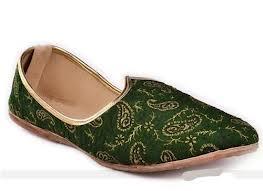
The king was surprised, but he later agreed to his suggestion, to make a “shoe” for himself.
There is actually a valuable lesson of life in this story: to make this world a happy place to live, you better change yourself - your heart; and not the world.
10. The Crow, The Cock, And The Frog

Little Henry marched resolutely to the mountain which he found much more distant than it had appeared to him. Instead of arriving in a half hour as he had expected, he walked rapidly the whole day without reaching its base.
About one-third of the way he saw a Crow which was caught by the claw in a snare which some wicked boy had set for him. The poor Crow sought in vain to release himself from this trap which caused him cruel sufferings. Henry ran to him, cut the cord which bound him and set him at liberty. The poor Crow flew off rapidly, after having said to Henry,
"Thanks, my brave Henry, I will see you again."
Henry was much surprised to hear the Crow speak but he did not relax his speed.
Some time afterwards while he was resting in a grove and eating a morsel of bread, he saw a Cock followed by a fox and about to be taken by him in spite of his efforts to escape. The poor frightened Cock passed very near to Henry, who seized it adroitly, and hid it under his coat without the fox having seen him. The fox continued his pursuit, supposing that the Cock was before him. Henry did not move till he was entirely out of sight. He then released the Cock, who said to him in a low voice : "Many thanks, my brave Henry, I will see you again."
Henry was now rested. He rose and continued his journey. When he had advanced a considerable distance he saw a poor Frog about to be devoured by a serpent. The Frog trembled and, paralyzed by fear, could not move. The serpent advanced rapidly, its horrid mouth open. Henry seized a large stone and threw it so adroitly that it entered the serpent's throat the moment it was about to devour the Frog. The frightened Frog leaped to a distance and cried out,
"Many thanks, brave Henry; we will meet again."
Henry, who had before heard the Crow and the Cock speak, was not now astonished at these words of the Frog and continued to walk on rapidly.
A short time after he arrived at the foot of the mountain but he was greatly distressed to see that a large and deep river ran at its foot, so wide that the other side could scarcely be seen. Greatly at a loss he paused to reflect.
"Perhaps," said he, hopefully, "I may find a bridge, or ford, or a boat."
Henry followed the course of the river which flowed entirely around the mountain but everywhere it was equally wide and deep and he saw neither bridge nor boat. Poor Henry seated himself on the bank of the river, weeping bitterly.
"Fairy Bienfaisante ! Fairy Bienfaisante ! come to my help," he exclaimed. "Of what use will it be to me to know that there is a plant at the top of the mountain which will save the life of my poor mother, if I can never reach its summit?"
At this moment the Cock whom he had protected from the fox appeared on the borders of the river, and said to him :
"The fairy Bienfaisante can do nothing for you. This mountain is beyond her control. But you have saved my life and I wish to prove my gratitude. Mount my back, Henry, and by the faith of a Cock I will take you safe to the other side."
Henry did not hesitate. He sprang on the Cock's back, fully expecting to fall into the water but his clothes were not even moist. The Cock received him so adroitly on his back that he felt as secure as if he had been on horseback. He held on firmly to the crest of the Cock who now commenced the passage.
The river was so wide that he was flying constantly twenty-one days before he reached the other shore ; but during these twenty-one days Henry was not sleepy and felt neither hunger nor thirst.
When they arrived, Henry thanked the Cock most politely, who graciously bristled his feathers and disappeared. A moment after this Henry turned and to his astonishment the river was no longer to be seen.
"It was without doubt the genius of the mountain who wished to prevent my approach," said Henry. "But, with the help of the good fairy Bienfaisante, I think I shall yet succeed in my mission."